When Should You Upgrade Your Electrical Panel?
Signs your breaker box is overloaded and why a panel upgrade protects your home.
The Quiet Backbone of Your Home
Your electrical panel is one of those things you never think about — until you do. It's the central hub that distributes power to every outlet, switch, and appliance in your Chaska home, and like anything else, it has a service life. Most panels installed in the 1970s, 80s, and even 90s simply weren't designed for the way modern households use electricity. EV chargers, induction ranges, heat pumps, home offices, and a small army of always-on electronics add up fast.
Common Warning Signs
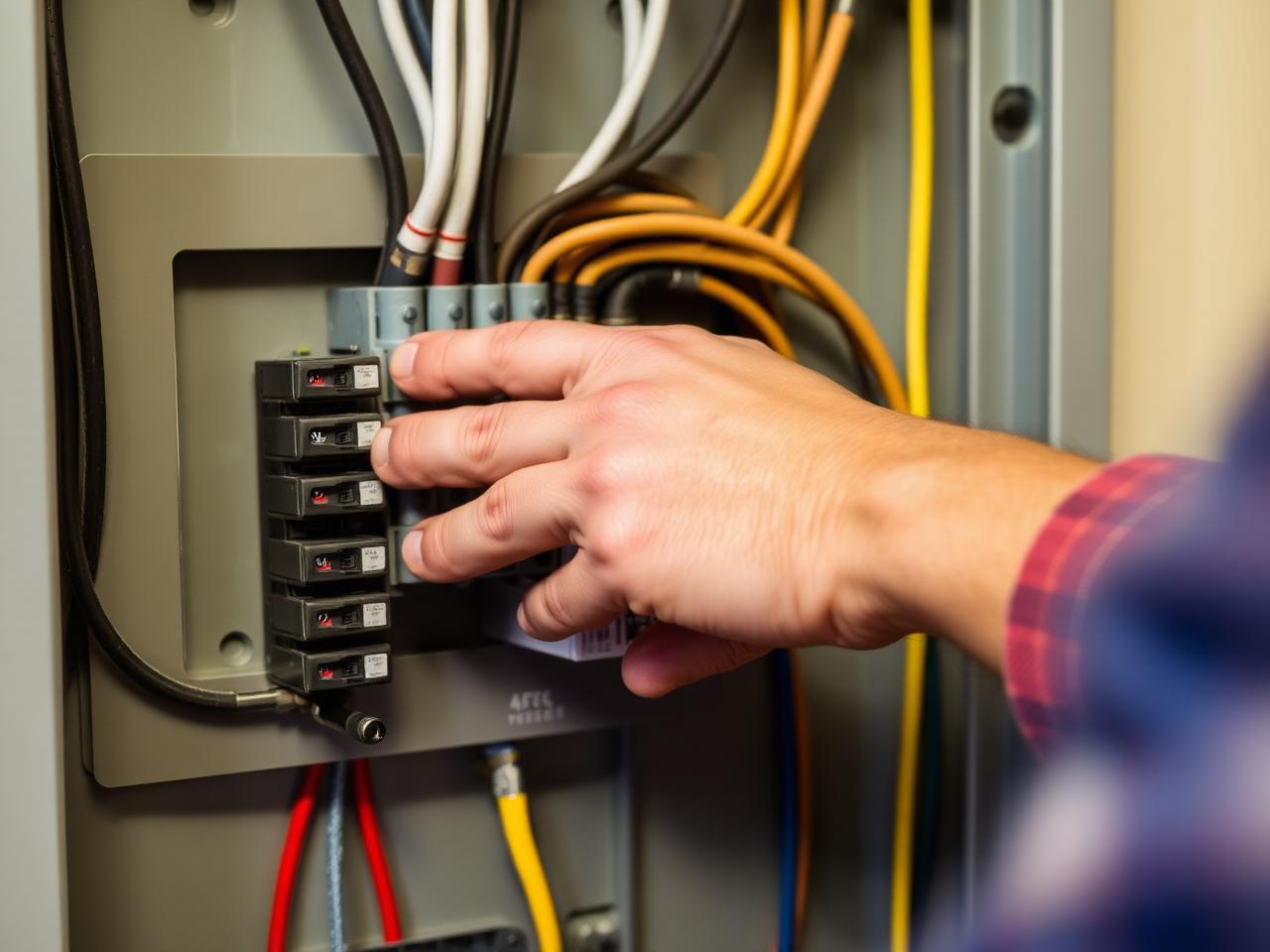
If you've noticed breakers tripping more than they used to, lights dimming when the AC kicks on, or a faint warmth or buzzing sound near the panel, those are signs the system is being asked to do more than it was built for. Older fuse boxes — and especially Federal Pacific or Zinsco panels — have well-documented safety issues and should be replaced even if they appear to be working fine.
Why It's Worth Doing Right
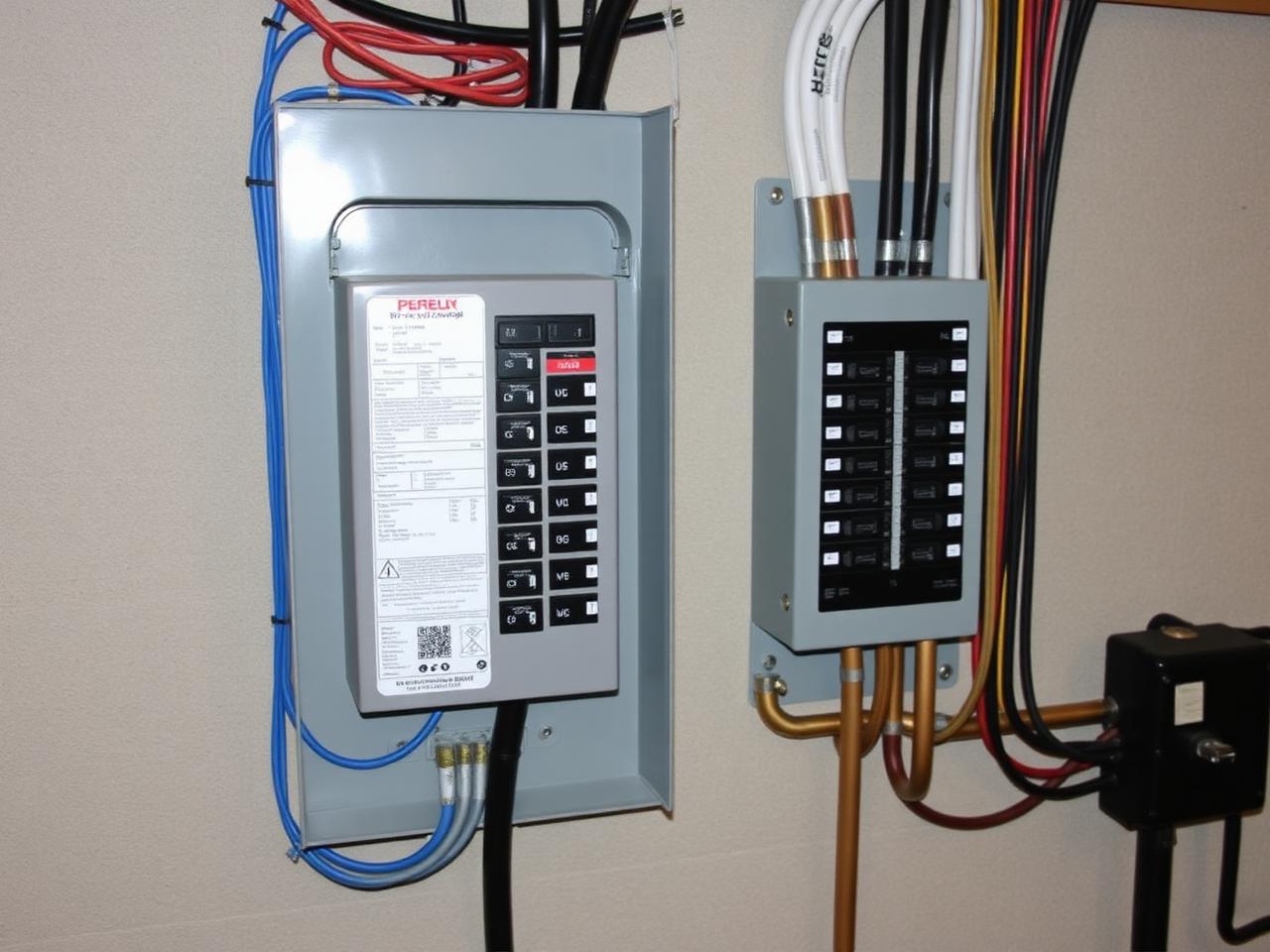
A modern 200A panel does more than carry electricity. It gives you the headroom to add a Level 2 EV charger, finish a basement, or run a hot tub without overloading your service. It also protects your home insurance status — many MN insurers now ask about panel age and brand. We pull the permit, coordinate with Xcel or your utility for the temporary disconnect, swap in a new panel, and walk the inspector through every detail.
What to Expect on Install Day
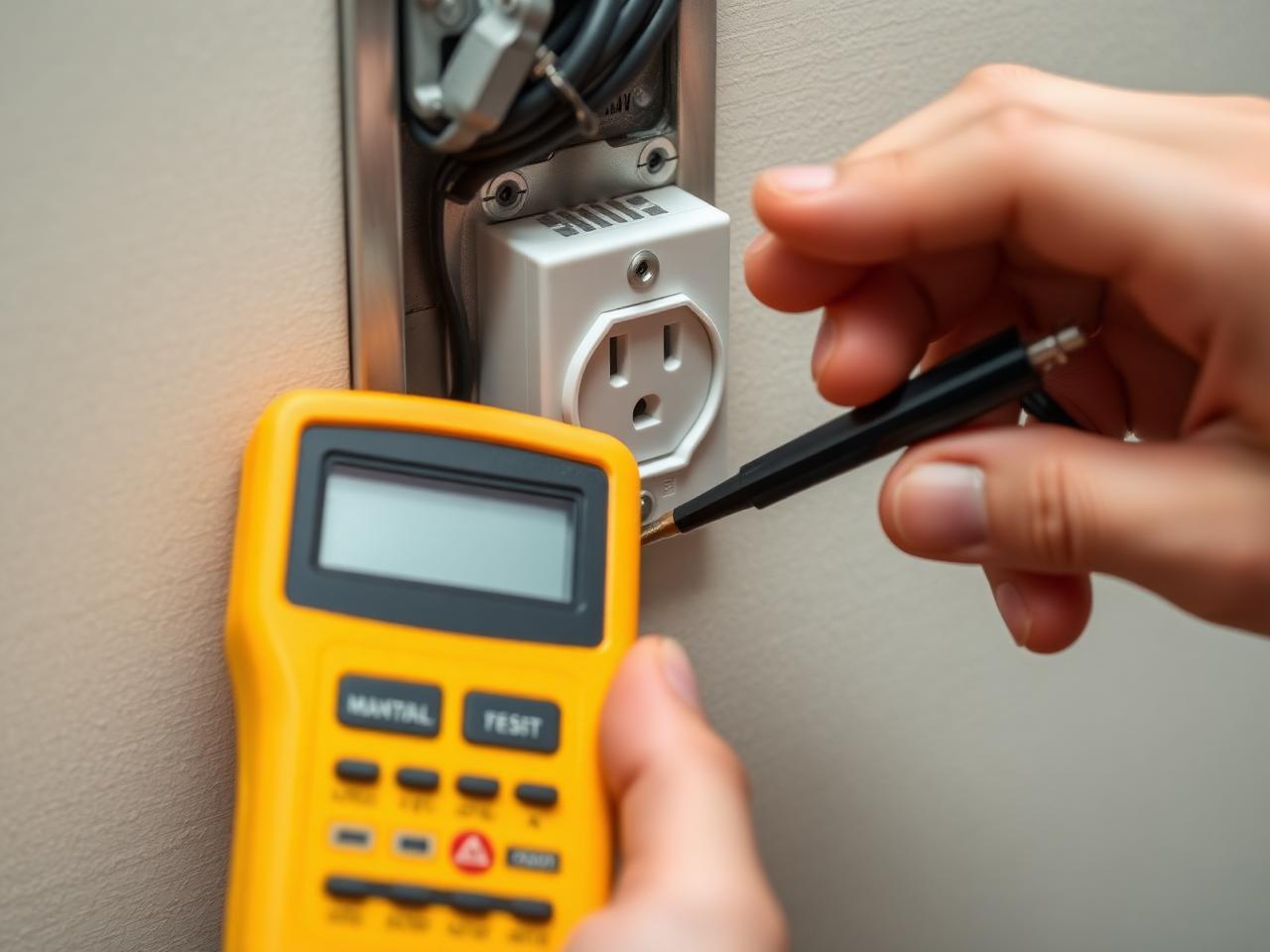
Most residential panel upgrades take a single day. Power is off for a few hours during the swap. Before we leave, we test every circuit, label the new panel clearly, and make sure your home is back online and safer than before. If you're considering an upgrade, give us a call — we'll take a look at what you have and recommend exactly what you need, no more.